Breathweaving: How We Breathe Life into Form
May 28, 2026The Dancer and the Breath
It wasn’t during a performance that I learned what breath could do; it was just before one.
We had been rehearsing a long and demanding suite, and I knew that within two hours, I would return to the stage for a full two-and-a-half-hour concert filled with solos and group pieces that required precision, stamina, and grace.
My lungs began to tighten in a way I recognized from childhood, that subtle constriction signaling an asthmatic edge. I hadn’t experienced it in years, but I understood immediately what was happening. What I had was my body, my breath, and a lifetime of awareness.
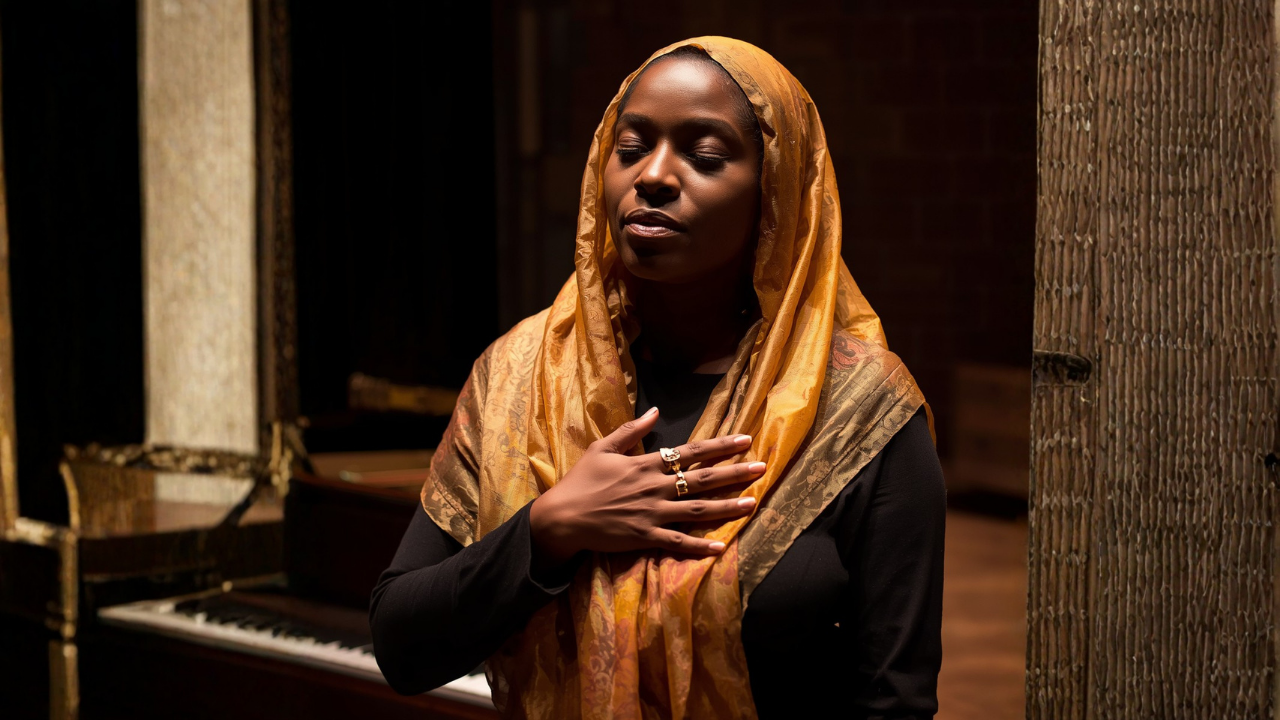
I moved quietly to the edge of the stage, near the piano that sat in the orchestra pit. The theater was dim and still between rehearsals, the seats empty, the air thick with anticipation. I took a silk scarf, an orange-gold fabric, light and sheer, woven from Indian silk, and draped it softly over my head, not to hide, but to create a sense of sanctuary. Beneath that thin veil, I began a slow, deliberate rhythm of inhaling and exhaling, a breathing sequence I had practiced since childhood.
With each inhale, I expanded space within my lungs. With each exhale, I released tension from my diaphragm and ribs. Within minutes, my breathing steadied; the air that had once seemed withheld began to move freely through me again.
I didn’t know the scientific terms then, but I understand them now. I was self-regulating the autonomic nervous system, shifting my body from the sympathetic state of alarm to the parasympathetic calm carried through the vagus nerve. My breathing was reducing cortisol, oxygenating my blood, and recalibrating my heart rate. I was quite literally breathing my way back into balance.
That moment would become a quiet teacher. Breath, I realized, was not only oxygen, it was intelligence. It was communion. It was choreography within the body and beyond it.
As I write this essay in The Ecology of Indigenous Evolution™ Series, I return to that sacred exchange: the same breath that entered me at birth still moves through me now. Breath is both memory and creation: a continuum linking who we were, who we are, and who we are still becoming.
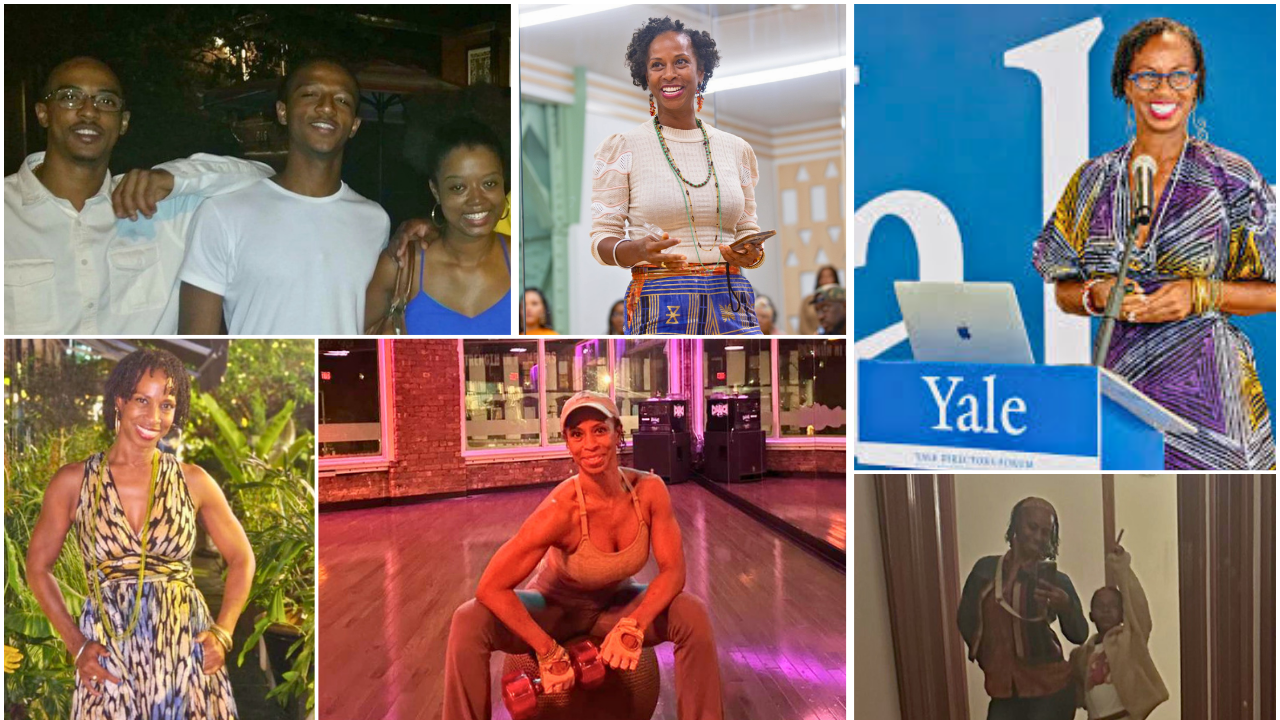
But as life expanded, so did its demands. I founded an institution that grew into a living ecosystem of its own. I became a wife, a mother of three, and a leader carrying the weight and wonder of community. Those were the birthing years: layered, immense, and formative. I had never been any of those things before, and I was learning all of them at once. For decades, I balanced civic leadership, creative vision, and family, often holding my own breath in the process.
Through those years, I rarely reached for an asthma pump, not because I didn’t need it, but because I somehow managed to regulate myself through pace, prayer, and will. Yet as time unfolded and new transitions came, some intentional, others uninvited, I noticed the breath tightening again. Mold exposure, environmental shifts, and the energetic intensity of change reawakened an old fragility in my lungs.
And so, I began a return. Not back to the dancer, but forward to the woman I am now: rebuilding a deeper practice through what I now call breathweaving. It is an intentional merging of science and spirit, of the physiological and the subtle: expanding the lungs while calming the nervous system, aligning oxygen flow with emotional flow. This practice accompanies every layer of my current healing: personal, environmental, and spiritual. It has become part of my teaching, part of my retreats, and part of my reawakening.
Today, as I continue this journey, I choose to live free of unnecessary stressors. I curate peace as practice. And when the inevitable moments of disruption come, I return to the oldest rhythm I know: my breath. I can now feel the muscles around my lungs respond, not in panic, but in dialogue. Each inhale, an invitation. Each exhale, a release.
Breath has always been the bridge between body and spirit, discipline and surrender, past and possibility. And when we breathe with intention, we do not merely draw air; we breathe life into form.
Part II: The Science and Spirit of Breathweaving
Breath has been my teacher since childhood. I grew up with asthma: the tightening of airways, the sound of breath fighting to move through passages too narrow for its own rhythm. Scientifically, that tightening is the bronchial constriction of the lungs, a response triggered by inflammation or overstimulation of the immune system. For a child, it feels like drowning in air. The element that gives life also becomes the very thing you can’t reach.
My mother, who worked in the medical field, did everything she could. When attacks came, she took me for steroid injections, the common treatment at the time. The steroids opened my airways, yes, but over years, they altered my body’s natural balance - thinning tissues, speeding my heartbeat, disrupting sleep, and shifting metabolism. I didn’t know then that these interventions, while life-saving, also carried a quiet cost to the body’s endocrine and immune systems.
As I grew older, I began learning to heal myself differently. I learned to “untighten” through awareness, to recognize the early signals of restriction and to meet them with intentional breathing instead of fear. When we inhale deeply, the diaphragm descends, creating negative pressure that draws air into the lungs; the vagus nerve sends signals to slow the heart, lower cortisol, and relax the muscles of the bronchial tubes. The very act of breathing consciously tells the body that it is safe.
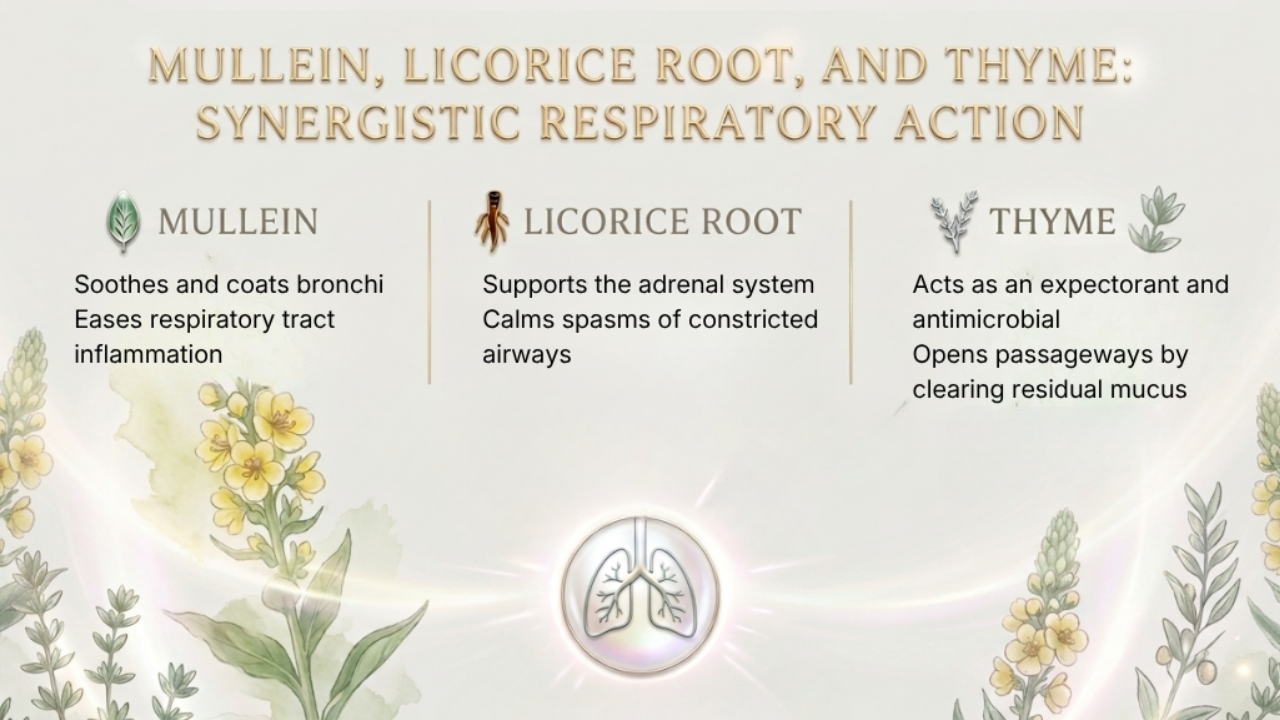
For a while, as life expanded; the building of an institution, the raising of three children, the countless responsibilities of community and leadership, my relationship to this kind of conscious breathing loosened. I still breathed, of course, but not with devotion. The asthma pump replaced presence, and herbs once central to my healing, like mullein (Verbascum thapsus), licorice root (Glycyrrhiza glabra), and thyme (Thymus vulgaris), grew distant from my daily rhythm.
Mullein, long known in African, Caribbean, and European herbal lineages, soothes and coats the bronchi, easing inflammation in the respiratory tract. Licorice root supports the adrenal system and calms the spasms of constricted airways, while thyme acts as both expectorant and antimicrobial, opening passageways and clearing residual mucus. These plants had once been my allies, natural regulators of breath and nervous system, yet in the busyness of life, I replaced ritual with reaction.
Not because I had forgotten what I knew, but because I had placed other urgencies above my own well-being. The irony was that I was teaching wholeness while neglecting my own breath - the most elemental form of life-giving awareness.
Breathweaving, as I’ve come to call it, is not simply deep breathing, it is intentional oxygenation paired with awareness. It can be done anywhere, without pause, in the middle of conversation, in travel, in work, in chaos. It is both practical and sacred. By breathing consciously, we influence the autonomic nervous system, specifically the balance between the sympathetic (fight-or-flight) and parasympathetic (rest-and-repair) branches. This is not metaphor; it’s measurable.
Studies in psychophysiology and neuroscience show that intentional, slow breathing, especially when the exhale is slightly longer than the inhale, enhances vagal tone, stabilizes heart-rate variability, and increases oxygen saturation in the blood. It decreases inflammation, improves immune response, and heightens cognitive clarity. The breath literally rewires the nervous system’s perception of safety.
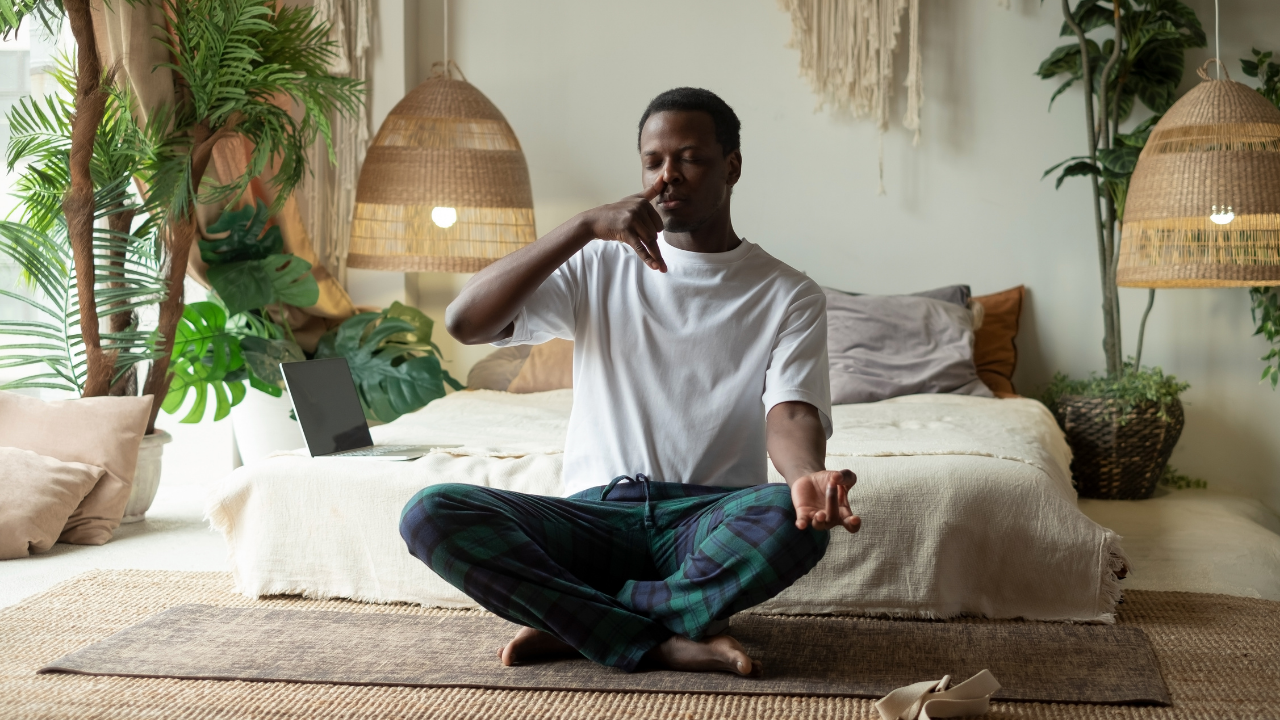
Indigenous and ancient traditions have long known this. In Yoruba cosmology, emi is the breath, the divine life force given by Olodumare that animates all living beings. In Kongo thought, moyo is the living energy that moves through the body and creation. In Ayurveda, prana is both breath and cosmic intelligence. Each culture recognizes what modern science now affirms: that oxygen carries consciousness, and how we breathe shapes how we live.
Returning to this awareness has reshaped my own body and rhythm. I now integrate breath-breathing into the retreats I facilitate, guiding others to feel what it means to expand their lungs and their courage simultaneously. I teach it to leaders who are learning to exhale after years of holding everything in. It is more than technique; it is trust in the intelligence of life moving through us.
The truth is that breath is not just what sustains us; it is what remakes us. The inhale gathers possibility. The exhale creates release. Between the two lies a moment of stillness, the creative pause where awareness lives. That is where breathweaving begins; not as a metaphor, but as a living practice of recalibration.
We are never without this tool. It travels with us into every boardroom, every home, every transition, every moment of joy or grief. To breathe consciously is to collaborate with the divine act of creation itself, to remember that even in the smallest exhale, we are shaping the atmosphere around us.
Reflection Practice: The Breath as Bridge
Try this brief breathweaving practice:
- Steady your mind by clearing thoughts as best as possible. Allowing them to enter, acknowledge, and release them.
- Once you feel clear and calm, you are ready to begin.
- Inhale slowly for 4 counts. Feel the expansion through the ribs and the soft opening at the base of the lungs.
- Pause on the inhale and hold breath for 2 counts. Let awareness rest.
- Exhale for 6 counts. Feel the release through the chest, shoulders, and back.
- Repeat for 2–3 minutes.
As you breathe, quietly repeat to yourself:
“Each breath I take returns me to balance. Each breath I release expands my peace.”
This essay is part of The Ecology of Indigenous Evolution™ by Kwayera Archer.
© 2026 Global Ase Enterprises. All rights reserved.
The Ancient Futurist is a living body of teachings exploring leadership, memory, land, and the unseen threads shaping our lives.
This is not content designed for speed.
It is work meant to be returned to.
Stay close to the work.
Receive monthly reflections, new writings, and quiet invitations to go deeper.
We will never sell your information, for any reason.
