Water as Witness: The Body’s First Language
May 13, 2026
As the seasons turn and time quietly carries its lessons, memory awakens in unexpected ways. Now, among what I believe to be the most angelic Egun, my mother’s spirit moves not through touch, but through energy, through dream, intuition, and spirit connection. During this last birthday season, which marked what would have been her ninety-seventh birthday, her connection with me stirred my own waters, calling forward beautiful tears that felt both purifying and connective, reminding me that remembrance itself is indeed elemental. Through those tears, the elements began to move quietly within my body, carrying the stories, emotions, and awakenings that live beyond language.
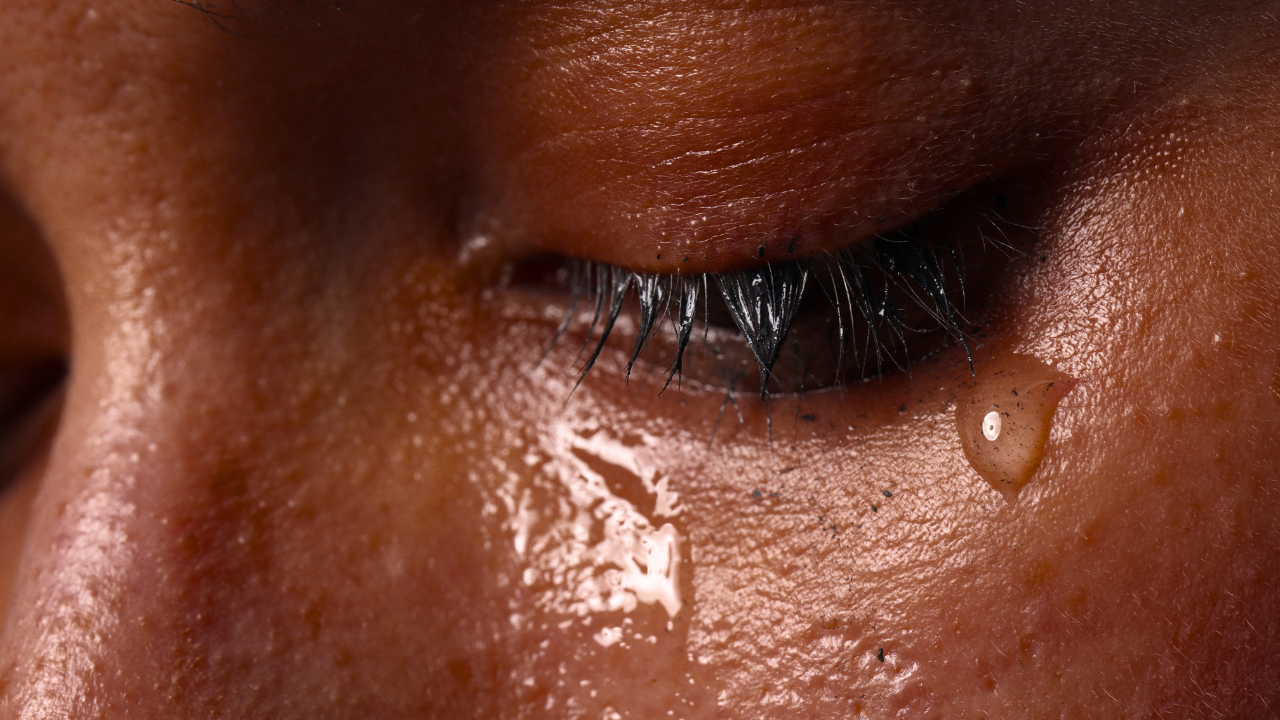
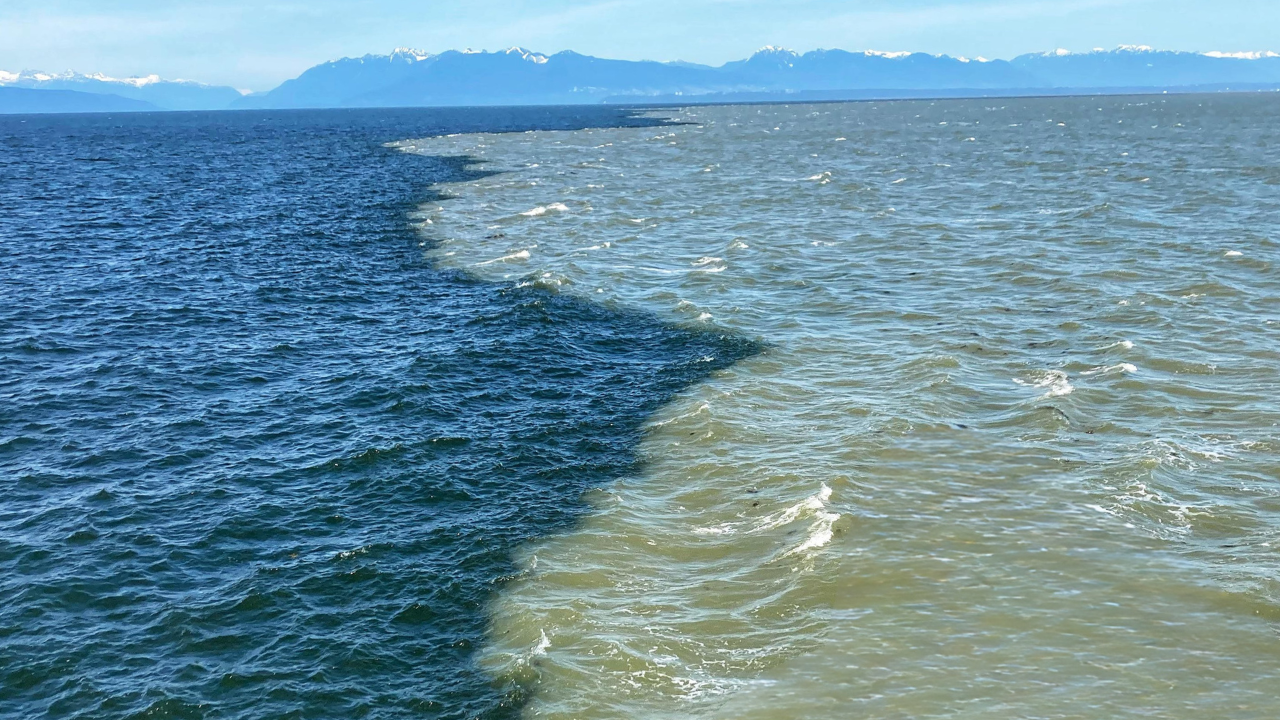
In the days that followed, vivid dreams began to return: each carrying messages, visions, and signs of my mother’s continued guidance. These were not simple dreams; they were sacred and instructive, lighting pathways where uncertainty once lived. Through them, I felt her presence in acts both ordinary and divine; moments of illumination that affirmed what had once been questioned. The tears, I realized, were not an ending but a purification, a soft opening that restored communication between realms. Remembering dreams had not been part of my recent rhythm. Yet since that moment, messages and memories have flowed like a waterfall meeting the tide, where the outer and inner worlds converge like brackish waters, merging clarity with depth.

I chose to begin this reflection with water, freshwater, brackish water, and the saline waters within us, because these forms mirror the continuum of human emotion. Our bodies are not filled with river water but with a mild saline solution (about 0.9% sodium chloride), saltier than rivers yet far less salty than the sea. Scientists note that the ancient oceans that nurtured early life were roughly 3.4% saline, suggesting that the water within us sits midway between fresh and oceanic, a living estuary of evolution (Guyton & Hall, Textbook of Medical Physiology, Elsevier 2021; USGS & NOAA data).
Tears are small expressions of that ocean within. Though rivers and tears differ in salinity, they meet symbolically where fresh and saltwater merge: the estuary, the liminal or that place of transformation between two realities. It is there that water learns to hold both worlds at once... just as the human body holds both spirit and matter, emotion and intellect, grief and awakening.
Too often, we’ve been taught that tears equal weakness, that feeling is a flaw, and that the body’s elemental wisdom must be restrained. Yet tears are not only emotional; they are elemental, carrying within them evidence of our evolution, spiritual process, and renewal.
In the cosmology of the Mafa people, whose ancestral lands stretch across the Mandara Mountains of northern Cameroon and northeastern Nigeria, there is a proverb that says, “The tears of the orphan run inside.” It teaches that when grief is silenced, the tears do not disappear; they travel inward, shaping the unseen terrain of the body. Across the continent, the Dagara people of Burkina Faso and Ghana hold communal rituals where crying is sacred; to suppress grief, they say, is to interrupt the conversation between the living and the dead. In both traditions, tears are treated not as weakness but as movement; as the brackish waters of human experience, where sorrow and renewal merge.
Science affirms this wisdom. Emotional tears are chemically distinct from those we shed when cutting onions or clearing dust. They contain higher levels of adrenocorticotropic hormone (ACTH), a stress-related chemical, as well as prolactin and leucine enkephalin, a natural pain-relieving peptide. Emotional crying also releases oxytocin and endorphins, which calm the nervous system and help the body return to equilibrium (Harvard Health, 2021). These biochemical changes aren’t symbolic; they are measurable proof that the body transforms emotion into chemistry, stress into release, and holding into flow.
Recent studies have also shown that tears communicate beyond the self. In controlled experiments, participants were exposed to the scent of human tears. Though tears are odorless, participants experienced reduced aggression and increased empathy, suggesting that tears carry invisible chemical messages of connection and safety (PLoS Biology, 2023). In this way, the body becomes both speaker and listener; water inside us acts as witness and translator.
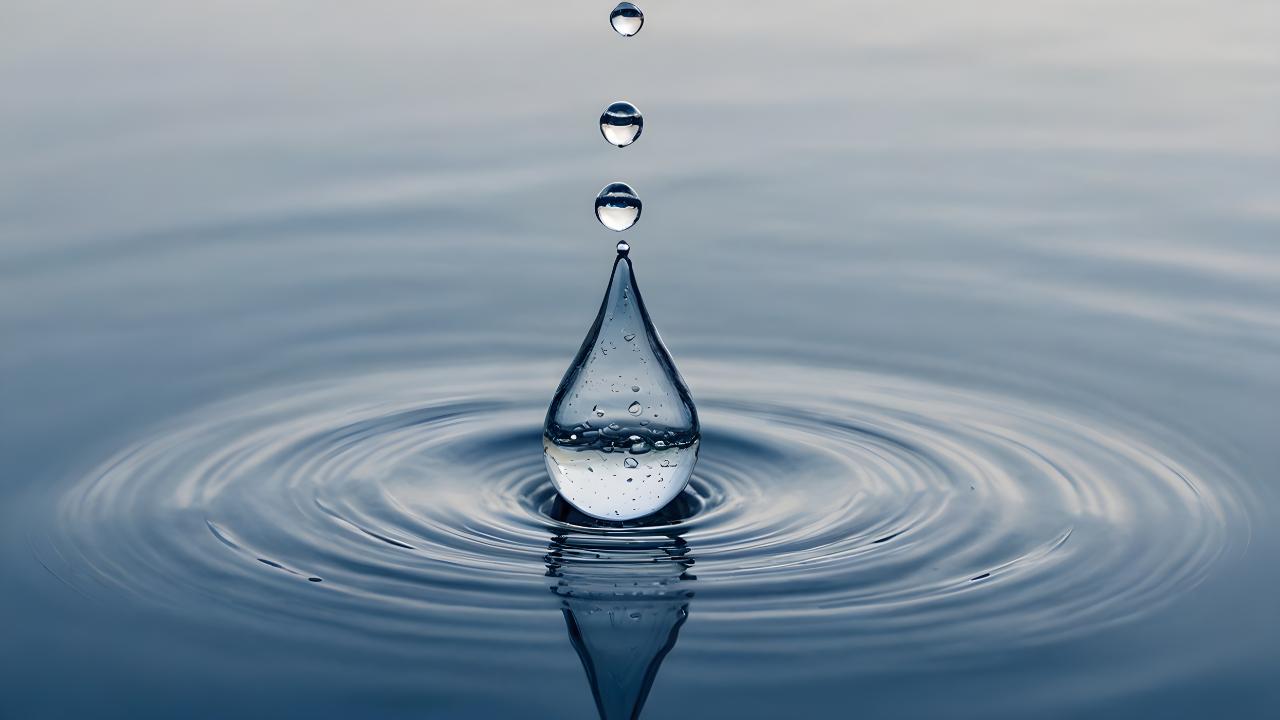
Within Yoruba cosmology, this truth has always been known. Osun, the sacred river, teaches us about flow, fertility, and sweetness; Yemoja, mother of waters, carries the vast embrace of the ocean; and Olokun, the deep and unseen, holds the mysteries of depth and consciousness. These energies reflect our own emotional and spiritual landscapes. Our tears are small manifestations of these same waters; tiny estuaries of the divine, carrying messages between body and spirit.
To honor our tears, then, is to honor water itself. To recognize that every drop carries intelligence, memory, and purpose. When we cry, we are not breaking down; we are rebalancing, returning to the natural rhythm of release and renewal that water models for all life. It is in this flow that the physical and the spiritual merge, where the language of the body and the wisdom of the elements speak as one.
This essay is part of The Ecology of Indigenous Evolution™ by Kwayera Archer.
© 2025 Global Ase Enterprises. All rights reserved.
The Ancient Futurist is a living body of teachings exploring leadership, memory, land, and the unseen threads shaping our lives.
This is not content designed for speed.
It is work meant to be returned to.
Stay close to the work.
Receive monthly reflections, new writings, and quiet invitations to go deeper.
We will never sell your information, for any reason.
